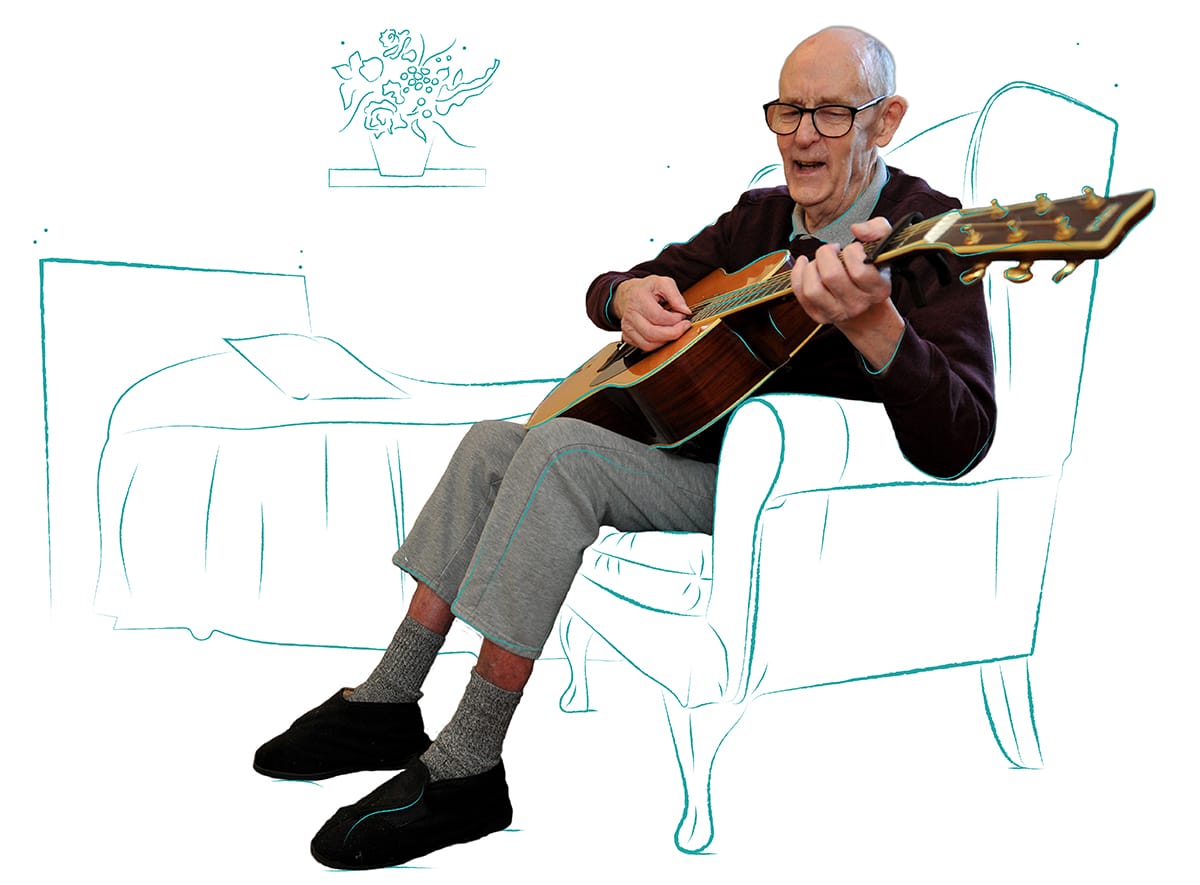
When the time comes to think about additional support for an older relative, the choice between a care home and home care is one of the most significant decisions a family will make. Both options can provide excellent care. Neither is automatically the right answer. The right choice depends on the person’s needs, preferences, circumstances and what will genuinely give them the best quality of life.
This guide explains clearly what each option involves, how they compare across the areas that matter most, and how to work out which is right for your family.
What is Home Care?
Home care, sometimes called domiciliary care, involves a professional carer visiting a person in their own home to provide support with daily living. The level of support can range from one short visit a day to multiple visits covering personal care, meals, medication, household tasks and companionship.
Home care can also include live-in care, where a carer lives in the person’s home and provides around-the-clock support. This is a more intensive and more expensive arrangement that can closely replicate the level of support available in a care home, but within the familiar surroundings of the person’s own property.
What is a Care Home?
A care home is a residential setting where people who need regular support live, with trained staff available around the clock. Care homes offer varying levels of support depending on their registration and specialism, from residential care for those who need help with daily living, to nursing care for those with complex medical needs, to specialist dementia care for those living with cognitive impairment.
Unlike home care, a care home provides a complete living environment, including accommodation, meals, activities, social contact and personal care, all in one place.
Side by Side: How the Two Options Compare
| Factor | Home Care | Care Home |
|---|---|---|
| Environment | Person stays in their own home | Person moves to a residential setting |
| Level of support | Visits at scheduled times; gaps between visits | Staff available 24 hours a day, 7 days a week |
| Social connection | Can be limited, particularly between visits | Built-in community, activities and regular social contact |
| Dementia care | Can work in early to middle stages with intensive packages | Specialist environments and trained staff available at all stages |
| Safety overnight | Person is alone unless live-in care is in place | Staff present and monitoring throughout the night |
| Cost | Variable; intensive packages can match or exceed care home fees | Fixed weekly fee covering accommodation, meals and care |
| Flexibility | Higher flexibility; easier to increase or decrease hours | Less flexible day to day but provides comprehensive, consistent support |
| Family carer burden | Family often fills the gaps between care visits | Professional team carries the care responsibility |
When Home Care Works Well
Home care is often the right starting point when a person’s needs are moderate, they are managing reasonably well at home, and the main requirement is support with specific tasks rather than around-the-clock supervision. It works particularly well when:
- The person is strongly attached to their home and remaining there matters deeply to them
- Their needs are relatively predictable and can be met within scheduled visit times
- They have good social connections at home, such as friends, neighbours or family who visit regularly
- There is no significant safety risk overnight or between visits
- Their condition is stable rather than rapidly progressing
When a Care Home Becomes the Better Option
There comes a point for many people when home care, however intensive, cannot replicate what a care home provides. This is particularly true when needs increase beyond what scheduled visits can safely manage. Signs that a care home may be the better option include:
- Safety concerns overnight, including wandering, falls or the risk of leaving the gas on
- Personal care needs requiring support multiple times through the night
- Significant social isolation, particularly for those living alone
- Dementia progressing to the point where a familiar environment is no longer providing reassurance
- The cost of intensive home care approaching or exceeding care home fees
- Family carers who are exhausted and unable to fill the gaps between care visits
- Medical or nursing needs that require professional oversight throughout the day and night
Our article on recognising the signs that it may be time for a care home covers this transition in detail.
“We speak to many families who have been managing at home with increasing packages of care for longer than was safe or sustainable. A care home is not the last resort. For many people, it is where they finally get the consistent, expert support they need to genuinely live well.”
Blissful Care Homes
The Cost Question
Cost is a significant factor in this decision and worth examining carefully. Home care can appear less expensive than a care home at first glance, but this can be misleading when needs are high. A package of four daily visits plus overnight care can cost as much as, or more than, a residential care home place, without the structured activities, communal life, meals and 24-hour oversight that a care home provides.
Live-in care, while allowing a person to remain at home, typically costs more than a care home place. The comparison is not always straightforward and is worth working through carefully with the help of a social worker or care funding adviser.
Both options may attract local authority funding depending on the person’s needs and financial circumstances. Our article on who pays for care homes in the UK covers the funding landscape in detail.
What About the Person’s Own View?
Where a person has capacity, their own preferences must be at the centre of this decision. Many people have a strong attachment to staying at home and would choose home care even where a care home might offer a higher overall standard of support. That preference deserves respect and should shape the conversation.
At the same time, it is worth gently exploring what a person’s attachment to home is really about. For some it is about independence. For others it is about familiarity, a fear of institutional settings, or anxiety about leaving possessions behind. Many of these concerns can be addressed directly, and a visit to a modern, well-run care home often shifts a person’s expectations significantly.
Can You Combine Both?
Yes. Home care and care home support are not mutually exclusive at every stage. Many families use home care as a bridge while a care home place is being arranged, or use short-term respite care in a care home to give both the person and the family carer a break while continuing with home care the rest of the time.
A planned respite stay in a care home can also be a valuable way to try residential care before committing to a permanent move, giving the person experience of the home and helping the family assess whether it feels right.
“There is no single right answer to the home care versus care home question. At Blissful Care Homes, we are always happy to talk through a family’s specific situation and help them think through what will genuinely serve their relative best, even if the answer is not a permanent move right now.”
Blissful Care Homes
Frequently Asked Questions
Is home care always cheaper than a care home?
Not necessarily. For modest levels of support, home care is usually less expensive. But as needs increase and visits multiply, costs rise quickly. Intensive home care packages or live-in care often cost as much as or more than a care home place. Always compare the full cost of what is actually needed rather than an introductory hourly rate.
Can home care manage complex dementia?
In the early and middle stages of dementia, home care can work well, particularly if the person has good family support and a well-designed home environment. As the condition advances and safety risks increase, particularly wandering, night-time disturbance and resistance to care, a specialist dementia care home typically provides a safer and more consistent level of support.
What if my relative wants to stay at home but I think a care home is safer?
If your relative has mental capacity, their preference to remain at home must be respected, even if others consider it unwise. In this situation, focus on maximising safety at home and explore what additional support can be put in place. If capacity is in question, seek advice from a GP or social worker.
Is it possible to move from a care home back to home care?
Yes, though it is relatively uncommon. In some cases, following recovery from illness or a period of rehabilitation, a person may return home with an appropriate care package. This is more straightforward for those who were admitted for convalescent reasons than for those with progressive conditions.
Can I get local authority funding for home care as well as a care home?
Yes. Local authority funding can support either home care or a care home place, subject to a care needs assessment and means test. The type of support funded will reflect what the assessment identifies as meeting the person’s assessed needs.
Talk to Blissful Care Homes
If you are weighing up home care against a care home for a loved one and would like an honest conversation about what residential care actually looks like, our teams at Bricklehampton Hall, Broadmead, Coppermill Care, Hayes Park, New Day and The Lindens are happy to help. We cover Worcestershire, Berkshire, Middlesex, Leicester, Birmingham and Milton Keynes.
You may also find our practical guide to choosing the right care home useful as you think through the options.