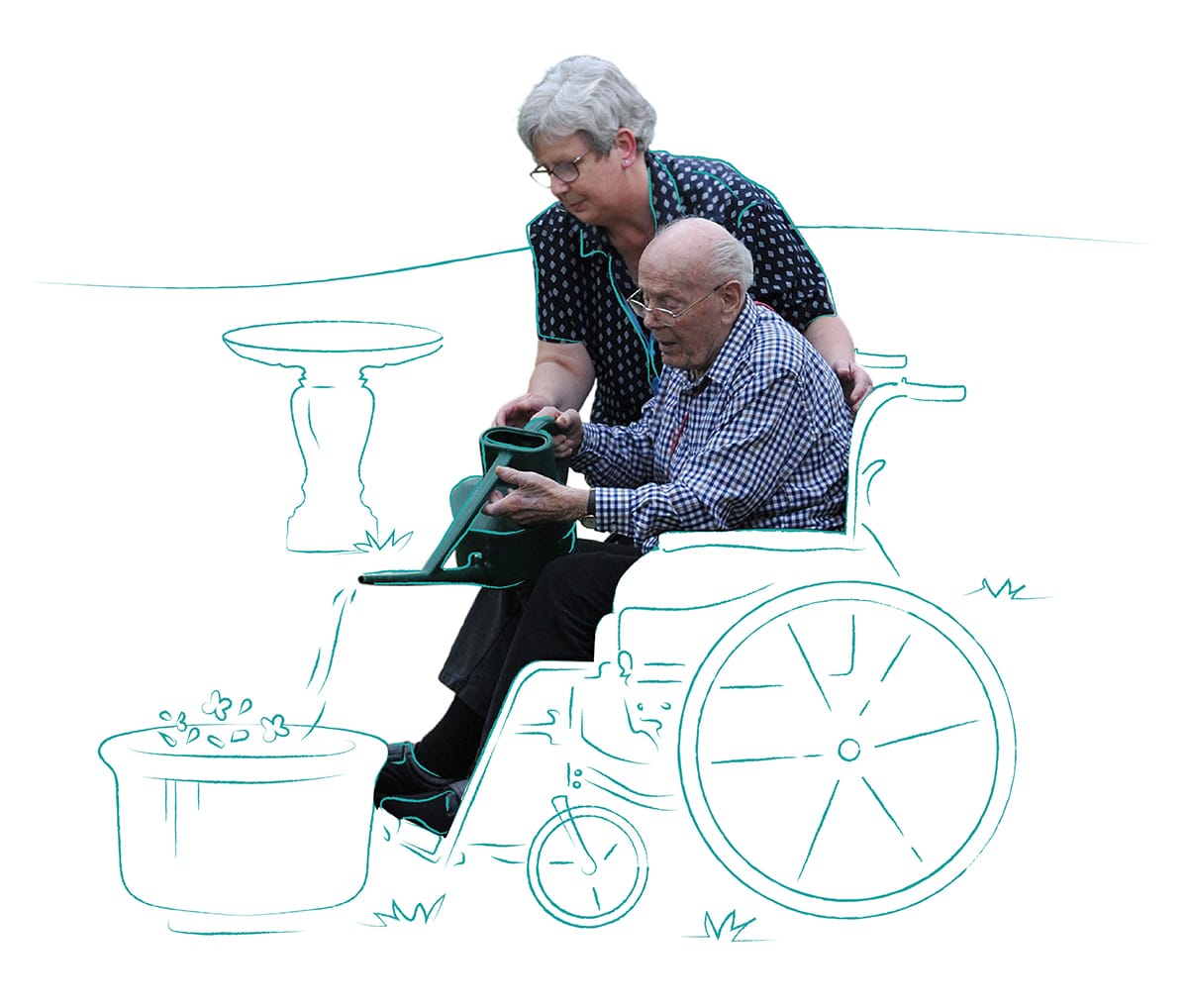
When a loved one moves into a care home, the relationship between the family and the home matters just as much as the care being delivered. A good care home does not simply receive a resident and ask families to step back. It recognises that the family is part of the picture, and that supporting them well is inseparable from supporting the person in their care.
This article explains the different ways care homes support families alongside residents, what families are entitled to expect, and what it looks like when that relationship works well.
Why Family Support Matters
Many families arrive at the point of a care home admission having spent months or years as the primary carers for their relative. They have reorganised their lives, taken on significant emotional and practical burdens, and in many cases have reached a point of exhaustion before the move takes place. The move into a care home does not switch off those feelings overnight. Guilt, grief, worry and relief often exist simultaneously, and without support, they can be overwhelming.
At the same time, families are an irreplaceable source of knowledge about the person in care. They know things about their relative that no assessment form captures. The care home needs that knowledge to do its job well. A relationship built on genuine communication and mutual respect between the family and the care team is not a nice extra. It is a clinical and practical necessity.
Communication and Being Kept Informed
One of the most fundamental things families need from a care home is to be kept informed. Not just when something goes wrong, but as a matter of course. Knowing how their relative is eating, sleeping, engaging, and feeling on a day-to-day basis gives families the reassurance they need to trust the home and the peace of mind to step back from the caregiving role they have been carrying.
Good care homes build communication into their culture rather than treating it as an administrative obligation. This can include:
- Regular updates from a named key worker or senior carer who knows the resident well
- Prompt notification of any health changes, falls, incidents or changes in mood or behaviour
- Involvement in care plan reviews, with families actively invited to contribute
- An open-door approach where families feel able to call, visit or raise concerns without feeling they are being difficult
- Honest conversations about how a resident is really doing, not just reassurances that everything is fine
At our homes across Bricklehampton Hall, Broadmead, Coppermill Care, Hayes Park, New Day and The Lindens, we work hard to make sure families never feel they have to chase for information. If something has changed, we tell you.
“We always say that when a resident moves into one of our homes, their family moves in too, in the sense that matters. We want families to feel that they can call us, visit us, challenge us and trust us. That relationship is part of the care.”
Blissful Care Homes
Involvement in Care Planning
Families have a formal role in care planning that goes beyond simply being informed of decisions. They should be active participants. The care plan is built on knowledge of the resident as a whole person, and families hold knowledge that no clinician or care worker can access independently.
What family involvement in care planning looks like in practice:
- Contributing to the pre-admission assessment, sharing detailed information about routines, preferences, history and what matters to the person
- Being invited to formal care plan reviews, which should happen regularly and after any significant health change
- Having observations from visits taken seriously and incorporated into how care is delivered
- Being consulted on decisions about medication, health interventions and advance care planning
- Holding lasting power of attorney for health and welfare where this has been set up, and having that authority respected
Our article on what a care plan is and how it works explains the process in more detail and sets out what families are entitled to expect at each stage.
Emotional Support for Families
The emotional experience of placing a relative in a care home is significant and often prolonged. Guilt is the most commonly reported feeling, followed closely by grief at the loss of the person their relative used to be, anxiety about whether the care is good enough, and in many cases a complicated relief that the immediate burden of caregiving has been lifted.
Good care homes acknowledge this experience rather than ignoring it. This can take many forms:
- A home manager or senior carer who takes time to check in with family members as well as residents
- Honest and compassionate conversations about how a resident is progressing, particularly when the news is difficult
- Signposting to external support, including carers organisations, bereavement support and GP referrals for families whose own mental health is suffering
- Creating an environment where families feel comfortable raising worries, however small, without fear of being dismissed
- Recognising that different family members will be at different points emotionally and that the relationship between families is sometimes as complex as the care itself
Supporting Families During the Settling-In Period
The first weeks after a resident moves in are often the most difficult for families. The settling-in period brings its own set of challenges, including the guilt of the initial move, worry about how the resident is adjusting, and the strange experience of not being the one providing day-to-day care for the first time in perhaps years.
Families need particular support during this phase. This includes clear guidance on visiting, honest feedback about how the resident is actually settling between visits, and reassurance that difficult early days are normal and do not signal a wrong decision.
At our homes, we carry out a formal settling-in review within the first four to six weeks of every new admission. Families are a central part of that conversation.
Visiting: What Families Are Entitled to Expect
Families have the right to visit their relative in a care home, and a good home will actively encourage regular visits as part of a resident’s wellbeing. There should be no blanket restrictions on visiting outside of genuine clinical necessity, such as an active infection outbreak managed in line with public health guidance.
Beyond simply being allowed to visit, good care homes create an environment where visits feel positive and easy:
- Private spaces where families can spend time together without feeling observed
- Access to outdoor spaces for walks or time in the garden when weather allows
- The ability to join a resident for a meal on occasion
- Staff who acknowledge and welcome family members by name
- Flexible visiting rather than rigid time slots where possible
Supporting Families Through Illness and Decline
As a resident’s health changes, the family’s need for support intensifies. This is particularly true for families whose relative has dementia, a progressive neurological condition, or who is approaching the end of their life.
Good care homes do not leave families to navigate this alone. Support at these times can include:
- Clear and honest conversations about what is happening and what to expect
- Involvement in advance care planning and decisions about treatment and end of life wishes
- Flexibility around visiting for family members who want to spend more time with their relative as they become more unwell
- Sensitive, compassionate communication that acknowledges the emotional weight of what the family is going through
- Bereavement support and follow-up after a resident passes away
“Our ultimate goal for everyone at Blissful is happiness. That means happiness for our residents, but it also means doing everything we can to give their families peace of mind. When a family feels supported, they visit with more confidence, they communicate more openly, and the resident benefits from all of that.”
Blissful Care Homes
What to Do if You Have a Concern
Families who have concerns about a loved one’s care should feel able to raise them directly and promptly. A good care home will have a clear and accessible process for this, and will treat concerns as valuable information rather than unwelcome criticism.
If you have a concern:
- Raise it with the home manager or senior carer in the first instance
- Put it in writing if you want a formal record of having raised it
- If you are not satisfied with the response, escalate to the provider’s head office
- If the concern involves the safety or welfare of your relative, you can contact the CQC at cqc.org.uk or your local authority’s adult safeguarding team
Every care home is required to have a complaints procedure, and the CQC takes how homes handle complaints seriously as part of its Well-led assessment.
Questions to Ask a Care Home About Family Support
When choosing a care home for a loved one, it is worth asking directly how they support families, not just residents. Good questions include:
- Who will be our main point of contact and how often will they update us?
- How will you involve us in care planning and reviews?
- What is your visiting policy and are there any restrictions?
- How do you communicate with families when something changes or goes wrong?
- What support do you offer families during the settling-in period?
- How do you support families when a resident is approaching the end of their life?
Our practical guide to choosing the right care home covers the full range of questions worth asking during a visit.
Frequently Asked Questions
Can I visit my relative at any time?
Yes, within reasonable hours. Good care homes operate flexible visiting policies and do not restrict family access without clinical justification. If a home imposes blanket visiting restrictions that go beyond current public health guidance, this is worth querying directly.
What rights do I have as a family member?
You have the right to be kept informed of your relative’s health and wellbeing, to be involved in care plan reviews, to raise concerns and have them addressed, and to access the home’s complaints procedure. If you hold lasting power of attorney for health and welfare, you have formal decision-making authority in relation to your relative’s care.
What if I disagree with a decision the care home has made about my relative’s care?
Raise it directly with the home manager. If your relative has capacity, their own wishes take precedence. If they lack capacity and you hold lasting power of attorney, your authority should be respected. If you cannot resolve the disagreement with the home, seek independent advice from a social worker or the Office of the Public Guardian.
My relative’s dementia means they sometimes tell me things that don’t seem accurate. How do I know what to believe?
This is a genuinely difficult situation and one that care homes with dementia experience handle regularly. Speak to the care team about anything your relative tells you that concerns you. They can give you the context you need and will take your concern seriously even if the specific account is not accurate. Our article on understanding the stages of dementia explains how the condition affects a person’s perception and communication.
Is there support available for families who are struggling emotionally?
Yes. Beyond what the care home can provide, organisations including Carers UK, Age UK and the Samaritans offer support for family members navigating difficult caring situations. If your own mental health is significantly affected, speaking to your GP is the most important first step.
We Are Here for the Whole Family
At Blissful Care Homes, we believe that supporting families is part of what we do, not an add-on to it. Whether your relative is at our home in Worcestershire, Berkshire, Middlesex, Leicester, Birmingham or Milton Keynes, our teams are here to keep you informed, involve you in care decisions and make sure you feel genuinely supported throughout your loved one’s time with us.
You may also find our article on recognising the signs that it may be time for a care home helpful if you are still in the process of making a decision.