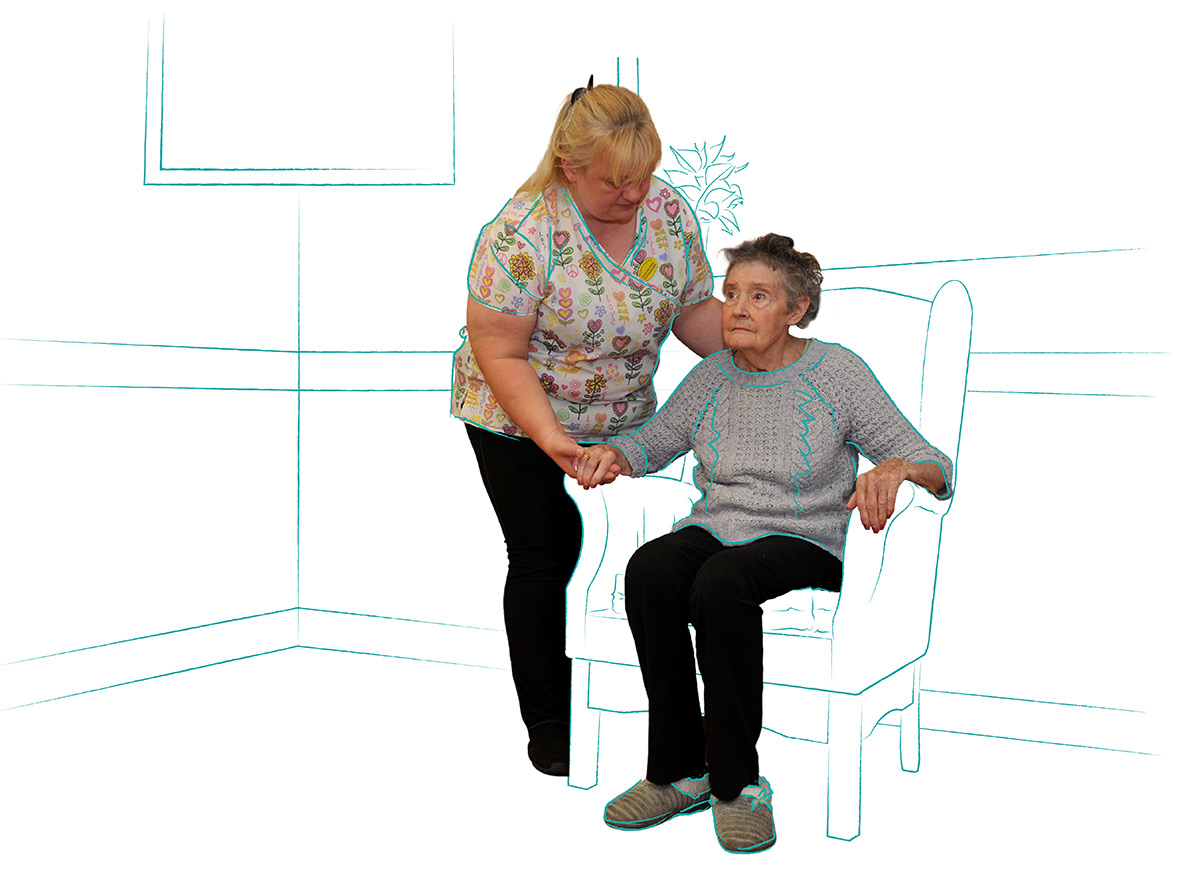
Falls are the most common cause of injury in older adults and one of the most significant risks in any care home setting. For residents who may be living with reduced mobility, dementia, or multiple health conditions, a fall can have serious consequences, from a loss of confidence and independence through to fractures, hospital admissions and, in some cases, a permanent decline in health.
Good fall prevention is not about removing all risk from a person’s life. It is about understanding individual risk factors, putting the right measures in place, and responding quickly and effectively when a fall does occur.
Why Falls Happen in Care Home Settings
Falls in care homes rarely have a single cause. They are usually the result of several risk factors combining at once. Understanding those factors is the starting point for preventing them.
The most common contributors include:
- Age-related muscle weakness and reduced balance, which make it harder to recover from a trip or stumble
- Cognitive impairment, including dementia, which can affect a person’s awareness of their surroundings and their own physical limitations
- Medication side effects, particularly sedatives, blood pressure medications and diuretics, which can cause dizziness or light-headedness
- Visual impairment, which makes it harder to judge distances or spot hazards on the floor
- Postural hypotension, a sudden drop in blood pressure when standing up from a seated or lying position
- Incontinence and urgency, which leads people to move quickly to the bathroom, often without waiting for assistance
- Environmental hazards such as wet floors, poor lighting, uneven surfaces or furniture that is not appropriate for the resident’s needs
- Poorly fitting footwear or going without shoes or slippers
- A history of previous falls, which significantly increases the risk of future falls
How Care Homes Assess Fall Risk
Every resident should have an individual falls risk assessment carried out on admission and reviewed regularly thereafter, particularly following any health change or fall. These assessments use validated tools such as the STRATIFY scale or the Morse Fall Scale to identify the level of risk and inform the care plan.
A thorough falls risk assessment will cover:
- The resident’s medical history and current conditions
- Their full medication list, reviewed for any drugs known to increase fall risk
- Mobility, balance and gait
- Cognitive function and capacity to understand and respond to safety instructions
- Vision and hearing
- Continence needs and how quickly assistance can be provided
- Nutritional status and hydration, both of which affect strength and alertness
- Footwear and any existing mobility aids
- Environmental factors specific to the resident’s room and the areas they use regularly
The outcome of the assessment should feed directly into the resident’s care plan, with specific, actionable measures recorded and reviewed as part of the ongoing care planning process.
Environmental Measures That Reduce Fall Risk
The physical environment plays a significant role in fall prevention. A well-designed care home reduces hazards while preserving residents’ dignity and independence.
| Area | Key Measures |
|---|---|
| Flooring | Non-slip surfaces throughout, prompt attention to spills, avoid rugs or mats that can catch on feet or mobility aids |
| Lighting | Good lighting in all areas, especially corridors and bathrooms, with night lights in bedrooms and en-suites for residents at risk of falls overnight |
| Bathrooms and toilets | Grab rails at appropriate heights, raised toilet seats where needed, non-slip bath and shower mats, call systems within reach |
| Bedrooms | Beds at the correct height for each resident, call systems within easy reach, adequate space to move with a walking aid, personal belongings arranged to minimise reaching |
| Communal areas | Clear walkways free from clutter, sturdy chairs with armrests that make it easier to stand, handrails along corridors |
| Outdoor spaces | Even, well-maintained paths, adequate lighting, seating at regular intervals, prompt gritting in icy weather |
The Role of Staff in Fall Prevention
The environment can be made as safe as possible, but it is the care team that makes the biggest difference to fall prevention on a day-to-day basis. This means staff who know each resident well enough to recognise when something is not right, and who understand each person’s individual risk factors and what specific measures are in their care plan.
Good practice from care teams includes:
- Responding promptly to call bells, particularly for residents with continence needs who may be tempted to move independently rather than wait
- Assisting residents to stand up slowly, particularly those prone to postural hypotension
- Ensuring mobility aids are clean, in good repair and positioned within reach
- Encouraging residents to wear well-fitting footwear at all times rather than going barefoot or in socks
- Monitoring residents at higher risk more closely, including regular checks overnight
- Communicating any changes in a resident’s condition, behaviour or mobility to the senior team promptly
“At Blissful Care Homes, fall prevention is built into the way we care for every resident. Our teams are trained to spot early changes in mobility or health that can increase risk, and we work with residents and their families to put the right measures in place without compromising independence or dignity.”
Blissful Care Homes
Medication Review and Fall Risk
Medication is one of the most significant and most manageable contributors to fall risk in older people. Certain drug classes are particularly associated with increased risk, including benzodiazepines, antipsychotics, antihypertensives, diuretics, and some antidepressants.
Care homes should ensure that every resident’s medication is reviewed regularly by a GP or pharmacist with falls risk specifically in mind. When a new medication is started or a dosage changed, care staff should be alert to any new symptoms such as dizziness, increased drowsiness or changes in mobility, and report these promptly.
Where a resident is on a high-risk medication that cannot be changed, additional monitoring and environmental safeguards should be put in place to compensate for the increased risk.
Exercise and Strength Building
Maintaining physical strength, balance and flexibility is one of the most effective long-term strategies for reducing falls. Even modest amounts of regular, appropriate exercise can make a meaningful difference to a resident’s stability and confidence.
Approaches that are commonly used in care home settings include:
- Chair-based exercise classes designed for those with limited mobility
- Walking programmes for residents who are mobile enough to participate
- Physiotherapy referrals for residents who have had a fall or who have specific conditions affecting mobility, such as Parkinson’s disease or a recent hip replacement
- Occupational therapy assessments to review mobility aids and recommend appropriate equipment
- Tai chi and balance-focused activities, which have a strong evidence base for fall prevention in older people
What Happens After a Fall
How a care home responds after a fall is just as important as how it tries to prevent one. A thorough post-fall protocol should be in place and followed consistently.
Immediately after a fall, the priority is the resident’s safety and comfort. Staff should not attempt to move a person who has fallen until it is safe to do so. A clinical assessment should be carried out to check for injury, including the possibility of a head injury or fracture, and medical attention sought as appropriate.
Once the resident is safe, the care home should:
- Record the fall accurately, including where and when it happened, what the person was doing, and any potential contributing factors
- Notify the family promptly and keep them informed of any medical review or treatment
- Review the resident’s care plan and risk assessment in light of the fall
- Consider whether any environmental changes or additional support are needed
- Report the fall through the home’s incident reporting system, and to the CQC if it results in serious injury
A pattern of falls should trigger a more comprehensive review, potentially involving a GP, physiotherapist or specialist falls service. Many areas across the Midlands and London have dedicated community falls teams that care homes can refer into for specialist assessment and advice.
Supporting Residents After a Fall
The physical consequences of a fall are often easier to treat than the psychological ones. Fear of falling again is extremely common after an incident and can lead a person to significantly restrict their movement and activity, which in turn causes muscle weakness and further increases fall risk. This is sometimes called the falls-fear cycle.
Good care homes address this proactively, working with residents to rebuild their confidence and encourage appropriate movement rather than allowing fear to lead to unnecessary immobility. This may involve physiotherapy, gradual reintroduction of activity, and sensitive conversations with the resident and their family about how to manage risk without sacrificing quality of life.
“Our goal is always to help residents live as fully and independently as possible, and that includes helping them recover their confidence after a fall. Safety and wellbeing go together, and we never want a fear of falling to stop someone from living their life.”
Blissful Care Homes
Questions to Ask a Care Home About Fall Prevention
When choosing a care home for a loved one, fall prevention is worth asking about directly. Good questions include:
- How do you assess fall risk for new residents, and how often is this reviewed?
- What specific measures are in place for residents who are at high risk?
- How do you manage residents who need support to move but may resist asking for help?
- What is your process after a fall occurs, and how do you communicate this to families?
- Do residents have access to physiotherapy or occupational therapy?
- How do you balance fall prevention with a resident’s independence and dignity?
Our practical guide to choosing the right care home covers the full range of questions worth asking when you visit, including how to assess the quality of care being delivered day to day.
Frequently Asked Questions
Can falls in care homes be prevented entirely?
Not entirely. Falls are a risk that comes with age and with many of the conditions that lead people to need residential care in the first place. The goal is not to eliminate all risk but to identify and manage it effectively, minimise the frequency of falls, and respond well when they do happen.
Should I be concerned if my relative has had a fall in their care home?
A single fall does not necessarily indicate poor care. What matters is how the home responded, whether the family was informed promptly, whether the care plan was reviewed, and what measures have been put in place to reduce the risk of it happening again. A pattern of falls without apparent action is more concerning.
Are care homes required to report falls?
Yes. Falls must be recorded as incidents, and falls resulting in serious injury must be reported to the CQC. Care homes are also expected to analyse fall data to identify patterns and improve prevention.
What equipment can help prevent falls?
This varies by individual, but commonly used equipment includes bed and chair sensor alarms that alert staff when a resident moves, bed rails where appropriate and agreed with the resident, non-slip socks, hip protectors for those at high risk of fracture, and specialised mattresses or floor mats to reduce injury if a fall does occur.
My relative has dementia and does not always understand why they need help moving. How is this managed?
This is a common and genuinely complex challenge. Good dementia care teams use person-centred approaches to encourage safe movement, which may include distraction, familiar routines, and understanding the triggers that lead a person to move independently. Our article on the stages of dementia explains how needs and behaviours change over time.
Talk to Blissful Care Homes
If you are considering a care home for a loved one and want to understand how we approach fall prevention across our homes in Leicester, Birmingham, Worcestershire, Berkshire, Milton Keynes and Middlesex, our team is happy to talk you through our approach and answer your questions.
You may also find our articles on the types of care we provide and recognising when it may be time for a care home useful as you think through next steps.