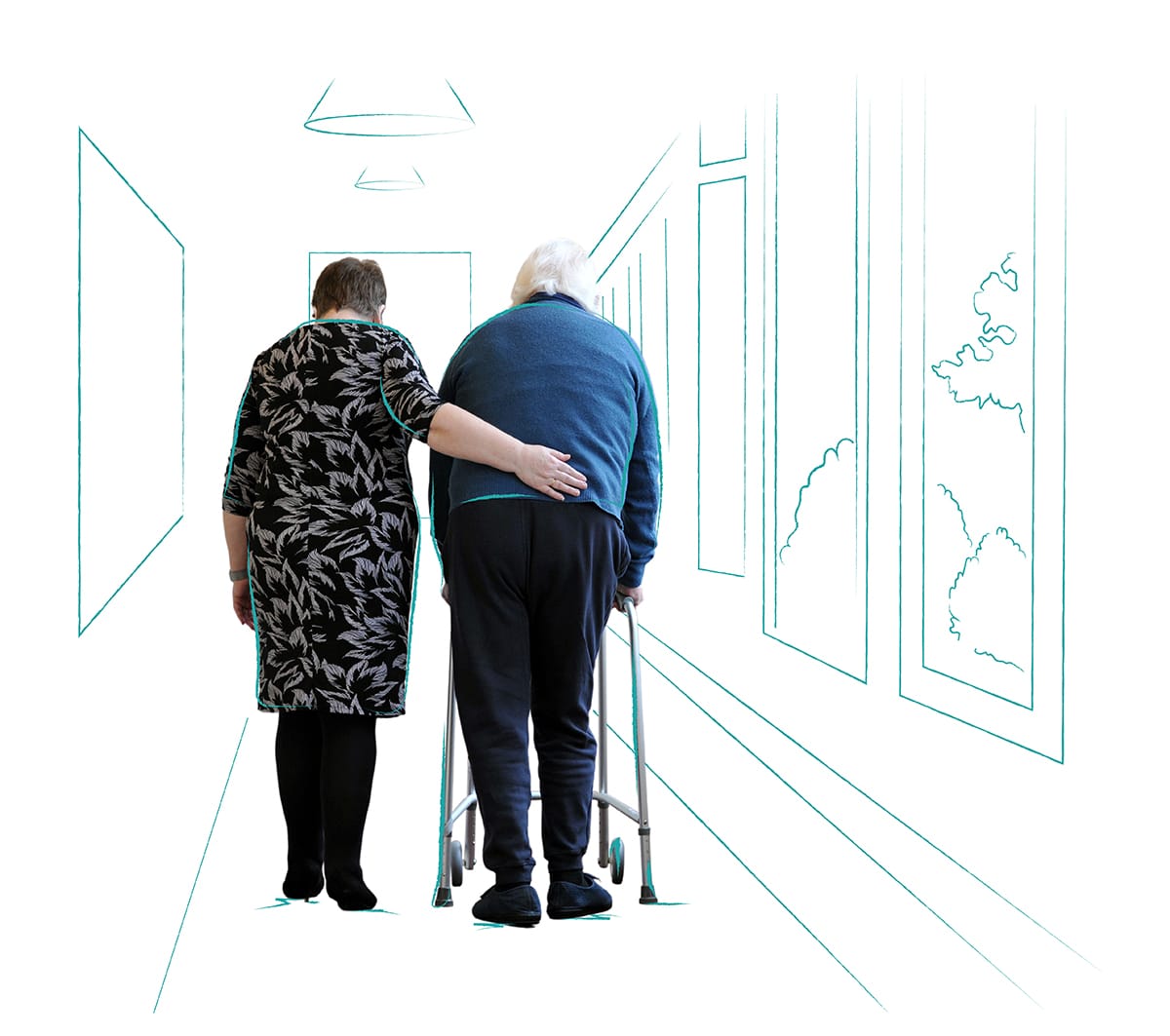
A care plan is a written document that sets out exactly how a resident’s individual needs will be met by the care home team. It covers everything from medical requirements and daily routines to personal preferences and emotional wellbeing. Every resident in a UK care home should have one, and it is reviewed and updated regularly as their needs change.
Why Care Plans Matter
When a loved one moves into a care home, families want to know that they will be treated as an individual, not as a number. A care plan is the practical document that makes that happen. It brings together everything the care team needs to know about a person so that every member of staff, across every shift, can provide consistent, personalised support.
Without a care plan, care becomes reactive. With one, it becomes proactive, thoughtful and centred on the person.
“At Blissful Care Homes, our ultimate goal for everyone in our care is happiness. Care plans are central to that. They help us understand what makes each resident who they are, so we can support them in the way that is right for them, not simply in the way that is easiest.”
Blissful Care Homes
What Does a Care Plan Include?
Care plans vary depending on the type of care a resident needs, but they will typically cover the following areas:
Personal information and background
- Life history, family, hobbies and interests
- Cultural, religious or spiritual preferences
- Communication needs and preferred language
Health and medical needs
- Existing medical conditions and diagnoses
- Medication, dosage and administration schedule
- Allergies and dietary requirements
- Details of any healthcare professionals involved in the person’s care
Daily living and personal care
- Preferences around washing, dressing and grooming
- Sleep routines and preferred times for waking and bedtime
- Mobility support and any specialist equipment required
- Continence needs
Emotional and social wellbeing
- Preferred activities and social interests
- Any known triggers for anxiety or distress
- Relationships and family contact preferences
- Goals and aspirations
Risk assessments
- Falls risk
- Skin integrity and pressure sore prevention
- Nutritional risk
- Risk of social isolation or low mood
For residents receiving nursing care or dementia care, care plans will go into additional clinical detail, covering specialist health monitoring, behaviour support and end of life wishes where relevant.
Who Creates a Care Plan?
Care planning is a collaborative process. It should never be completed by the care home alone. A thorough care plan is built with input from:
- The resident themselves, wherever possible and appropriate
- Family members or those with lasting power of attorney
- GP and healthcare professionals already involved in the person’s care
- The care home’s nursing or senior care staff
This joined-up approach ensures nothing is missed and that the plan truly reflects the person’s needs and wishes, not just their medical notes.
If you are in the early stages of looking at care options for a loved one, it helps to start thinking about what information you might want to contribute. Our practical guide to choosing the right care home walks through the key questions worth asking during the process.
When is a Care Plan Written?
A care plan is typically started before or on the day a resident moves into a care home. In many cases, the admissions process will include a pre-admission assessment, which forms the foundation of the initial care plan.
From there, the plan is a living document. It should be reviewed:
- Regularly as a matter of routine, often monthly or quarterly
- After any significant health change, such as a fall, hospital admission or new diagnosis
- After a change in medication
- At the request of the resident or their family
Families have every right to ask to see a loved one’s care plan and to raise concerns if they feel it does not accurately reflect their relative’s needs.
Care Plans and the CQC
The Care Quality Commission (CQC) inspects care homes across England against a set of quality standards. Personalised, up-to-date care plans are a key part of what inspectors look for when assessing whether a home is providing safe, effective and responsive care.
A well-maintained care plan is not just good practice; it is a marker of a home that takes its residents seriously.
“Good care planning is not a box-ticking exercise. It is the foundation of everything we do. At Blissful Care Homes, care plans are reviewed continuously so that our teams always have what they need to support each resident in the right way.”
Blissful Care Homes
Care Plans and Families
One of the most common concerns families have when a loved one moves into care is losing visibility of how they are being looked after. A care plan helps address that directly. It gives families a clear picture of the support being provided and a structured way to flag anything they feel is missing or has changed.
If you notice that your relative seems unhappy, confused or not themselves, it is worth asking the care team whether their care plan has been reviewed recently. Recognising when needs are changing is something families often find difficult, but it is an important part of ensuring the right level of care is always in place.
Frequently Asked Questions
Can I see my relative’s care plan? Yes. Family members and those with legal authority (such as lasting power of attorney) can request to see the care plan at any time.
What if I disagree with something in the care plan? Raise your concerns with the home’s manager or senior nursing staff. Care plans should be updated to reflect any agreed changes, and the process should be collaborative.
Is a care plan the same as a care needs assessment? No. A care needs assessment is usually carried out by a local authority social worker or healthcare professional to determine what level of support a person requires. The care plan is then created by the care home based on that assessment and additional information gathered directly from the resident and their family.
What happens to a care plan if a resident moves home? A summary of the care plan will typically be shared with any new care provider or healthcare team to ensure continuity.
Talk to Blissful Care Homes
If you are thinking about care for a loved one and want to understand how we approach care planning at our homes, our team is always happy to talk it through. We can answer your questions, arrange a visit and help you feel confident that your family member will be known, valued and well cared for.
Get in touch with our team today.