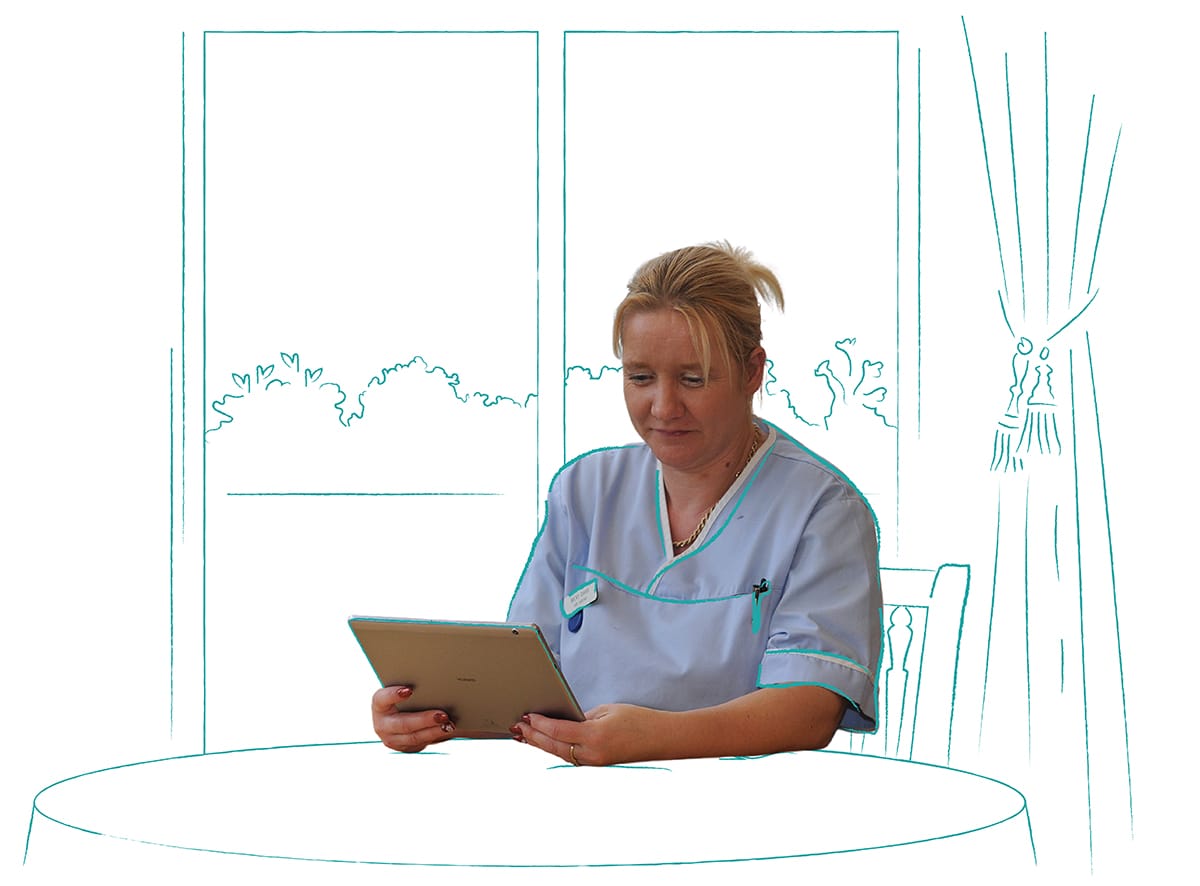
Palliative care is specialist support for people living with a serious or life-limiting illness. It focuses on managing pain, easing symptoms and improving quality of life, for both the person who is ill and the family around them. It is not only for people who are dying. It can begin at any point after a serious diagnosis and can run alongside curative or life-prolonging treatment.
Despite being one of the most compassionate and important areas of healthcare, palliative care is widely misunderstood. Many families avoid the subject because they associate it with giving up. Understanding what it actually involves often changes that view entirely.
What Palliative Care Is Not
Before explaining what palliative care is, it helps to clear up what it is not.
- It is not the same as end of life care, though end of life care is part of it
- It does not mean stopping all treatment or giving up on recovery
- It is not only for people with cancer, though cancer is one of the most common conditions where it is provided
- It does not mean a person is expected to die imminently
- It is not something that happens only in a hospice
These misconceptions are understandable, but they lead many people to decline or delay palliative care support that could make a real difference to their quality of life.
What Palliative Care Actually Involves
Palliative care takes a whole-person approach. Rather than focusing solely on the disease, it considers the physical, emotional, social and spiritual needs of the person living with a serious illness. It is delivered by a team of specialists who work alongside the existing medical team, not instead of them.
In practice, palliative care can include:
- Pain management and symptom control, including breathlessness, nausea, fatigue and anxiety
- Honest, compassionate conversations about diagnosis, prognosis and what to expect
- Help with advance care planning, including recording a person’s wishes about future treatment
- Psychological support for the person with the illness and their family
- Practical support with daily living and coordination of care between different services
- Spiritual care that respects a person’s beliefs and values, whatever they are
- Bereavement support for families before and after a person’s death
Who Provides Palliative Care?
Palliative care is provided by a range of professionals depending on the setting and the complexity of a person’s needs. This can include:
- GPs and district nurses providing palliative support in the community
- Specialist palliative care nurses, sometimes called Macmillan nurses or clinical nurse specialists
- Hospital palliative care teams, who support patients admitted with serious illness
- Hospice teams, either in an inpatient hospice setting or providing care in the community
- Care home teams with specialist palliative care training
- Allied health professionals including physiotherapists, occupational therapists, social workers and chaplains
At Blissful Care Homes, our teams across Bricklehampton Hall, Broadmead, Coppermill Care, Hayes Park, New Day and The Lindens are trained to deliver palliative care within our homes, working closely with community nursing teams, GPs and hospice specialists to ensure a joined-up approach for every resident who needs it.
“Palliative care at its best is not about the end of life. It is about making sure the life a person has, whatever time remains, is lived with as much comfort, dignity and meaning as possible. That is something we hold at the centre of everything we do at Blissful Care Homes.”
Blissful Care Homes
When Does Palliative Care Begin?
One of the most important things to understand about palliative care is that it does not have to wait until a person is approaching the end of their life. The World Health Organisation defines palliative care as appropriate from the point of diagnosis of a life-threatening illness, and the evidence clearly shows that earlier palliative involvement leads to better outcomes, including better symptom control, better quality of life and, in some studies, even longer survival.
Palliative care can be introduced when a person is still receiving active treatment for their condition. The two are not mutually exclusive. A person having chemotherapy for cancer can also benefit from palliative care to manage side effects and support their emotional wellbeing. A person with advanced dementia can receive palliative care that focuses on comfort and dignity while still receiving treatment for infections or other conditions.
Our article on when to introduce palliative care explores this question in depth and helps families understand the right moment to ask about specialist support.
Where Can Palliative Care Be Provided?
Palliative care can be delivered in a range of settings, and the right place depends on the person’s needs, preferences and circumstances.
| Setting | What This Involves |
|---|---|
| At home | Community nursing, GP support, hospice at home services and carer support allow many people to receive palliative care in their own home |
| Care home | Trained care home teams, supported by community nurses and palliative specialists, provide palliative and end of life care for residents in a familiar, settled environment |
| Hospice (inpatient) | Specialist inpatient care for people with complex symptom management needs, or for planned periods of respite and support |
| Hospice (day services) | Day hospice services provide specialist support, therapies and social connection for people living at home with a serious illness |
| Hospital | Hospital palliative care teams support patients admitted with serious illness, including planning for discharge to home or a care setting |
Palliative Care and End of Life Care: What Is the Difference?
These two terms are often used interchangeably but they are not quite the same thing. Palliative care is the broader concept, encompassing support for anyone living with a serious illness at any stage. End of life care is a specific phase of palliative care that focuses on the final weeks, days and hours of life.
End of life care concentrates on ensuring a person is comfortable, free from pain, and supported to die in the place and manner that reflects their wishes. It also includes immediate support for family members during and after the death.
Understanding the difference matters because it affects when families feel it is appropriate to ask for palliative support. The answer is almost always: sooner than you think.
Palliative Care for Common Conditions
While palliative care is most commonly associated with cancer, it is equally relevant and valuable for many other serious conditions. At our homes across the Midlands, Berkshire and Middlesex, our teams regularly provide palliative care for residents living with:
- Advanced dementia, where the focus shifts to comfort, familiar sensory experiences and preventing unnecessary hospital admissions
- Heart failure, where symptom management and advance planning are central to quality of life
- Chronic obstructive pulmonary disease (COPD), where breathlessness management is a key priority
- Parkinson’s disease and other neurological conditions
- Frailty and multiple long-term conditions in very elderly people, where no single diagnosis defines the need
The Role of Advance Care Planning
One of the most valuable things palliative care enables is honest, unhurried conversation about a person’s wishes for the future. Advance care planning can include making an advance decision to refuse treatment, recording preferences about resuscitation, expressing wishes about where a person would like to die, and appointing a lasting power of attorney for health and welfare.
These conversations are easier and more meaningful when they happen early, before a person’s condition makes them very difficult or impossible. A good palliative care team will support this process sensitively, at the person’s own pace.
“The conversations that palliative care makes possible are among the most important ones a family can have. At Blissful Care Homes, we try to create the space for those conversations to happen early, gently and at the right time for each resident and their family.”
Blissful Care Homes
Frequently Asked Questions
Does receiving palliative care mean a person is dying?
No. Palliative care can begin at the point of a serious diagnosis and continue for months or years alongside other treatment. It is about quality of life at any stage of serious illness, not only at the end of life.
Can a person receive both curative treatment and palliative care at the same time?
Yes. This is common and is increasingly recognised as best practice. Palliative care running alongside active treatment improves symptom control and emotional wellbeing without interfering with the treatment itself.
Who can refer someone for palliative care?
A GP, hospital consultant, specialist nurse or social worker can all make a referral. Family members can also ask directly for a palliative care assessment if they feel their relative would benefit.
Is palliative care available in care homes?
Yes. Care homes are one of the most common settings in which palliative and end of life care is delivered. A well-trained care home team, working with community nurses and palliative specialists, can provide excellent palliative care within a familiar, settled environment.
What is the difference between a hospice and palliative care?
A hospice is a type of setting where specialist palliative care is provided. Palliative care is the broader approach to supporting people with serious illness, and it can be delivered in many settings including at home, in a care home and in hospital. A hospice is one option, not the only one.
What are the stages of palliative care?
Our article on understanding the five stages of palliative care walks through each phase in detail, from the point of diagnosis through to bereavement support for families.
Talk to Our Team
If you are supporting a relative with a serious illness and would like to understand more about how palliative care is delivered at our homes in Worcestershire, Berkshire, Middlesex, Leicester, Birmingham and Milton Keynes, our teams are here to help.
You can also find out more about the care we provide across our homes.